How Do I Choose Lighting? A Designer’s Guide to Getting It Right
Lighting is one of the most overlooked parts of interior design — and also one of the most important. I’m asked all the time why a space feels “off,” harsh, or unfinished, even when the furniture and finishes are beautiful.
The answer is almost always lighting.
Choosing the right lighting isn’t about buying a prettier fixture. It’s about layering light so your home functions well and feels warm and inviting.
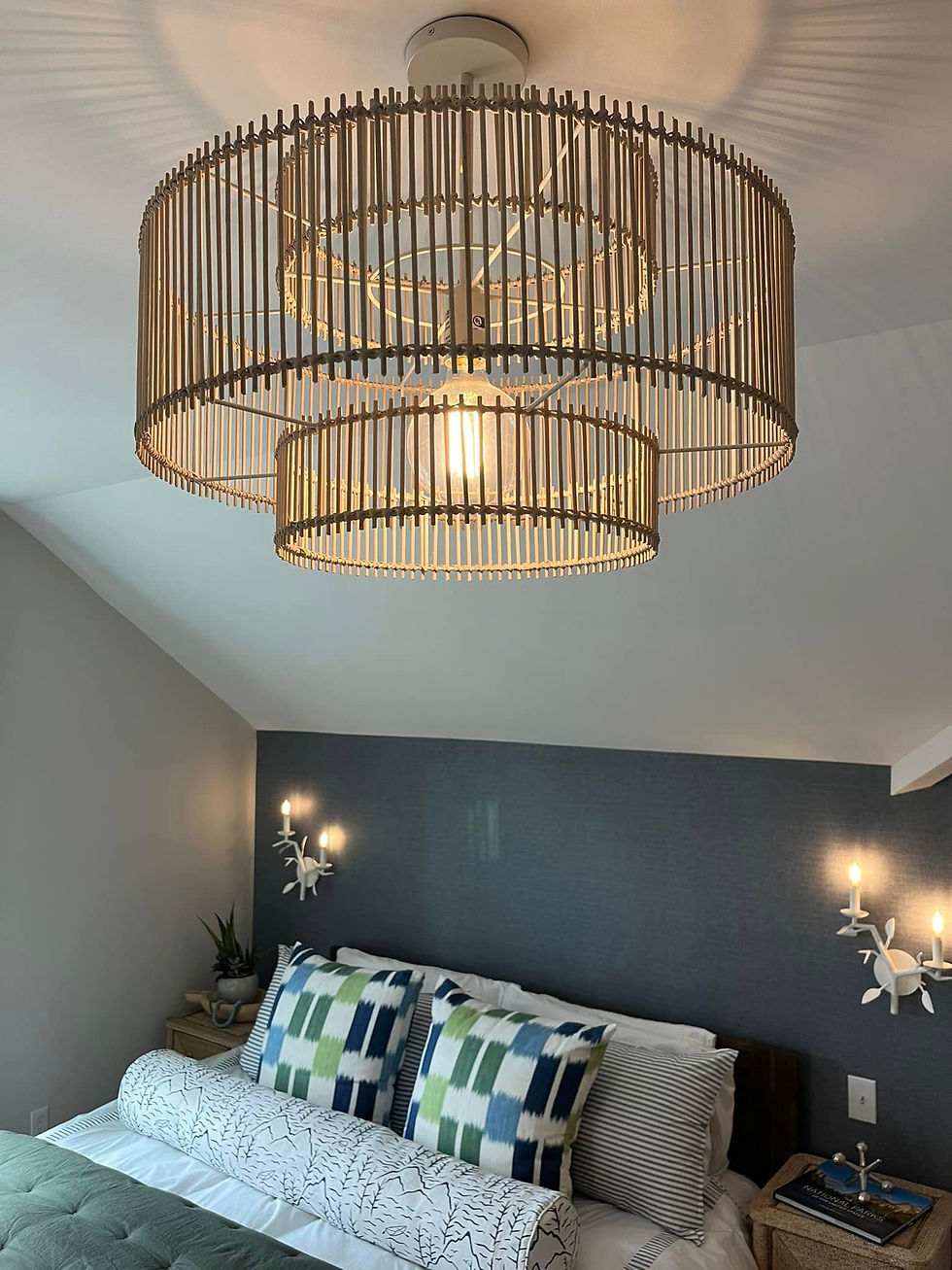
Why Lighting Matters More Than You Think
Lighting affects:
How comfortable a space feels
How colors appear
How functional a room actually is
The overall mood of your home
If your space relies only on overhead lighting, it will likely feel flat, cold, or unwelcoming — no matter how well it’s decorated.
That’s where layered lighting comes in.
The Three Types of Lighting Every Room Needs
A well-designed room uses three types of lighting: ambient, task, and accent. Each serves a different purpose, and all three work together to create balance.
1. Ambient Lighting: The Foundation
Ambient lighting is your general, overall light source. This is what allows you to move safely through a space and see the room as a whole.
Examples include:
Recessed lighting
Ceiling-mounted fixtures
Chandeliers
Flush or semi-flush mounts
Ambient lighting should provide even illumination, but it shouldn’t be the only light source in the room.
2. Task Lighting: Lighting with Purpose
Task lighting is focused lighting meant to help you perform specific activities.
Common examples:
Under-cabinet lighting in kitchens
Reading lamps
Vanity lighting in bathrooms
Desk lamps in home offices
This type of lighting is functional and intentional — it prevents eye strain and makes daily tasks easier and more enjoyable.
3. Accent Lighting: The Finishing Touch
Accent lighting is where the magic happens. It adds warmth, depth, and personality to a space.
Examples include:
Table and floor lamps
Wall sconces
Picture lights
LED strip lighting used subtly
Accent lighting softens a room and creates a layered, lived-in feel. If a space feels harsh or unfinished, it’s usually because accent lighting is missing.
A Common Lighting Mistake to Avoid
One of the biggest mistakes I see is relying solely on overhead lighting. While ceiling lights are necessary, they alone can make a room feel stark and uninviting.
A well-lit room should feel flexible — bright when needed, soft when relaxing. Putting lights on dimmer switches adds flexibility. And flexibility also comes from layering multiple light sources at different heights.
How to Apply This in Your Own Home
When choosing lighting, ask yourself:
What activities happen in this room?
Where do I need focused light?
Where could I add warmth or softness?
Start with ambient lighting, add task lighting where function is required, and finish with accent lighting to create mood and balance.
Final Thoughts
Great lighting doesn’t have to be complicated or expensive, but it does need to be intentional. When layered correctly, lighting can completely transform how a space looks and feels.
If your room still feels “off,” lighting is often the missing piece.
If you’d like help figuring out what lighting your space needs — or which room to tackle first — feel free to reach out or leave a question. I have access to lighting products that are not always available to the public, offered at competitive pricing at or below retail pricing. Make your home or commercial space look unique to you, not just like everyone else's! Lighting is one of the easiest ways to elevate your home when it’s done right.


Comments